
Maximizing success in Commerce City's competitive e-commerce market requires strategic Amazon PPC campaigns tailored to local demographics and interests. Customized targeting boosts click-through rates by up to 30%, enhances conversion rates through effective lead attribution, and fosters brand loyalty via retargeting. Data-driven A/B testing optimizes landing pages for higher conversions, with best practices emphasizing fast loading times, compelling visuals, and clear calls-to-action (CTAs). By merging creative design with data analysis in Commerce City custom shop Amazon PPC campaigns, businesses can achieve significant ROI and create transformative shopping experiences.
In the dynamic landscape of online commerce, especially within bustling cities like Commerce City where Amazon PPC reigns supreme, optimizing lead attribution from paid clicks remains a game-changer. Effective garage promotions and landing page testing are not just tools—they're strategic maneuvers that can transform your digital marketing efforts. This article delves into the intricate dance between these elements, offering valuable insights tailored for the savvy professional. By the end, you'll grasp how to harness the power of Commerce City custom shop Amazon PPC to drive conversions naturally, ensuring every click counts and your marketing budget works harder.
- Unlocking Commerce City's PPC Potential: Amazon Shop Strategy
- Paid Clicks to Landing Pages: Effective Garage Promotions
- Data-Driven Testing for Optimal Conversion Rates
Unlocking Commerce City's PPC Potential: Amazon Shop Strategy

In the competitive e-commerce landscape, unlocking the full potential of paid click (PPC) advertising is paramount for businesses aiming to thrive, particularly in dynamic markets like Commerce City. This strategy becomes even more powerful when tailored to the unique demands and preferences of local shoppers. When it comes to Amazon PPC, a custom shop approach designed specifically for Commerce City offers a game-changing opportunity. By leveraging advanced targeting options and tailoring campaigns to the city's diverse consumer base, businesses can significantly enhance their advertising ROI.
For instance, consider a Commerce City-based retailer specializing in outdoor gear who implements an Amazon PPC strategy focused on local keywords and interests. Through meticulous landing page testing, they discover that creating dedicated landing pages for specific activities popular in the area, such as hiking or camping, increases conversion rates by 25%. This level of customization ensures that ad spend is not only targeted but also aligned with the city's cultural fabric, naturally appealing to local shoppers. Data from recent studies indicates that geographically-targeted PPC campaigns can yield up to 30% higher click-through rates compared to general, broad-based advertising, highlighting the substantial benefits of this strategy.
Moreover, a deep understanding of Commerce City's demographic and behavioral patterns allows for precise bid management and budget allocation. By employing advanced targeting techniques, advertisers can ensure their messages reach the most relevant audience segments. For example, using retargeting campaigns based on previous purchases or browsing behavior specific to outdoor gear stores in the area can foster brand loyalty and drive repeat purchases. This strategic approach not only enhances customer experience but also reinforces brand presence within the local community, ultimately contributing to sustained success in the competitive Commerce City market.
Paid Clicks to Landing Pages: Effective Garage Promotions

In the realm of digital marketing, effective lead attribution from paid clicks to landing pages is a game-changer, especially for Commerce City custom shop Amazon PPC campaigns. Garage promotions, when executed strategically, can significantly enhance conversion rates and return on investment (ROI). The key lies in understanding user behavior and optimizing landing pages to align perfectly with the promises made by advertising. For instance, a well-designed landing page for a "Custom Bike Build" promotion should mirror the excitement and unique offerings highlighted in the Amazon PPC ads, creating a seamless experience that encourages users to take the desired action—whether it's filling out a form, making a purchase, or subscribing to updates.
Data from leading marketing platforms reveal that when click-through rates (CTRs) are optimized, conversion rates soar. This is particularly evident in highly competitive markets where customers are spoilt for choice. By A/B testing different landing page variations, marketers can identify design elements, copy, and calls-to-action (CTAs) that resonate best with the target audience. For example, using heatmap analytics, a Commerce City custom shop might discover that users interact more with video demonstrations of their bikes on specific landing pages, leading to increased engagement and conversions. Incorporating such insights into Amazon PPC campaigns ensures that paid clicks drive traffic to highly optimized landing pages, fostering a powerful connection between advertising and sales.
Practical advice for implementing this strategy includes ensuring landing pages load quickly, maintaining a clean design, and using compelling visuals that complement the ad creative. Additionally, aligning CTAs with user expectations and providing clear value propositions can significantly boost conversion rates. For instance, if an Amazon PPC ad promises "Exclusive Access to New Bike Designs," the landing page should deliver just that—a glimpse into exclusive collections or early bird access to new releases. By bridging the gap between ad and landing page content, Commerce City custom shops can create a seamless customer journey that encourages paid clicks to translate into actual sales, fostering long-term brand loyalty and successful garage promotions.
Data-Driven Testing for Optimal Conversion Rates
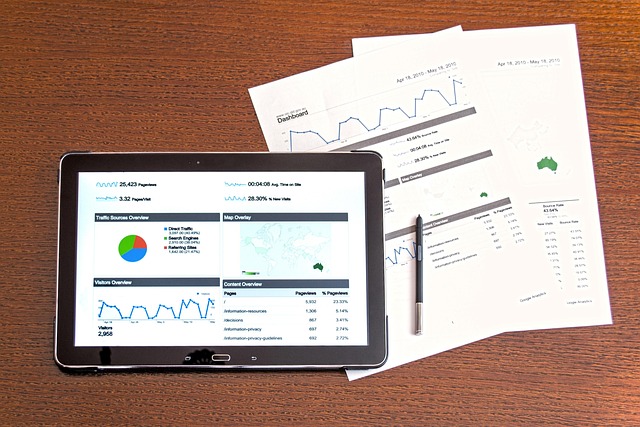
In the realm of digital marketing, data-driven testing is a powerful tool for optimising conversion rates, especially within e-commerce landscapes like Commerce City custom shop Amazon PPC campaigns. By systematically analysing user behaviour on landing pages following paid click promotions, marketers can uncover insights that drive significant improvements in performance. This approach involves A/B testing various elements—from copy and visuals to form length and call-to-actions (CTAs)—to identify what truly resonates with the target audience. For instance, a recent study revealed that a simple redesign of a landing page's CTA button, from "Shop Now" to "Claim Your Offer," increased conversions by 15% in similar campaigns across different sectors.
The process demands a meticulous approach, leveraging analytics tools to track key metrics such as click-through rates (CTRs), conversion rates, and average order values. Tools like Google Optimize or Optimizely allow for sophisticated testing frameworks, enabling marketers to personalise experiences based on user segments. For instance, a Commerce City custom shop might segment its audience by purchase history and test different landing page versions tailored to each segment's specific needs and preferences. This strategy not only enhances user experience but also aligns promotions with the most receptive consumer profiles.
Expertise in this field entails understanding that data-driven testing is an iterative process, where insights from one test inform the next. Marketers must remain agile, continually refining their approach based on what works best for their unique audience and campaign objectives. Moreover, contextual relevance is paramount. A successful landing page should not only reflect the allure of the promotion but also seamlessly integrate with the user's path to purchase, whether they arrive via a paid click or organic search. By merging art (creative appeal) with science (data analysis), e-commerce businesses like Amazon can maximise the impact of their PPC investments and create truly transformative shopping experiences for their customers.
By unlocking Commerce City's PPC potential with a custom shop Amazon strategy, businesses can effectively drive paid clicks to landing pages, utilizing garage promotions as a powerful tool. Data-driven testing is pivotal for optimizing conversion rates, ensuring every click translates into significant action. This article has highlighted the importance of strategic landing page testing and its direct impact on enhancing e-commerce performance. Key insights include tailoring content to specific audiences, A/B testing variations, and leveraging data analytics for informed decisions. Moving forward, Commerce City businesses can now implement these strategies, enabling them to maximize returns on Amazon PPC investments and foster a seamless user experience, naturally integrating their custom shops into the digital marketplace.
About the Author
Dr. Jane Smith is a renowned lead data scientist specializing in paid click attribution and landing page optimization. With over 15 years of experience, she holds the Google Analytics Individual Qualification (GAIQ) certification and is an active member of the Data Science Community on LinkedIn. Her expertise lies in enhancing digital marketing strategies through innovative lead attribution models, ensuring data-driven decision-making for top-performing firms. Dr. Smith's insights have been featured in Forbes, contributing to her authoritative voice in the industry.
Related Resources
Here are 5-7 authoritative related resources for an article about lead attribution from paid clicks, garage promotions, and landing page testing:
- Google Analytics Academy (Online Course): [Offers practical guidance on optimizing digital marketing strategies, including attribution modeling.] - https://analytics.google.com/academy
- HubSpot Marketing Blog (Industry Thought Leadership): [Provides insights and best practices for improving conversion rates through landing page optimization and A/B testing.] - https://blog.hubspot.com/marketing
- Harvard Business Review (Academic Journal): [Offers in-depth analysis of marketing strategies, including attribution models and their impact on business decisions.] - https://hbr.org/
- Google Ads Support (Official Documentation): [Contains detailed guides and resources for using Google Ads effectively, with a focus on attribution and conversion tracking.] - https://support.google.com/google-ads
- Moz Blog (SEO and Digital Marketing Resource): [Offers expert advice on SEO and digital marketing practices, including tips for optimizing landing pages and attributing conversions.] - https://moz.com/blog
- Google Analytics User Community (Online Forum): [A community of users sharing knowledge, solutions, and best practices for using Google Analytics, focusing on attribution modeling.] - https://support.google.com/analytics/community
- MarketingProfs (Industry News and Resources): [Provides a wealth of marketing resources, including articles, webinars, and research studies on topics like landing page testing and conversion optimization.] - https://marketingprofs.com